
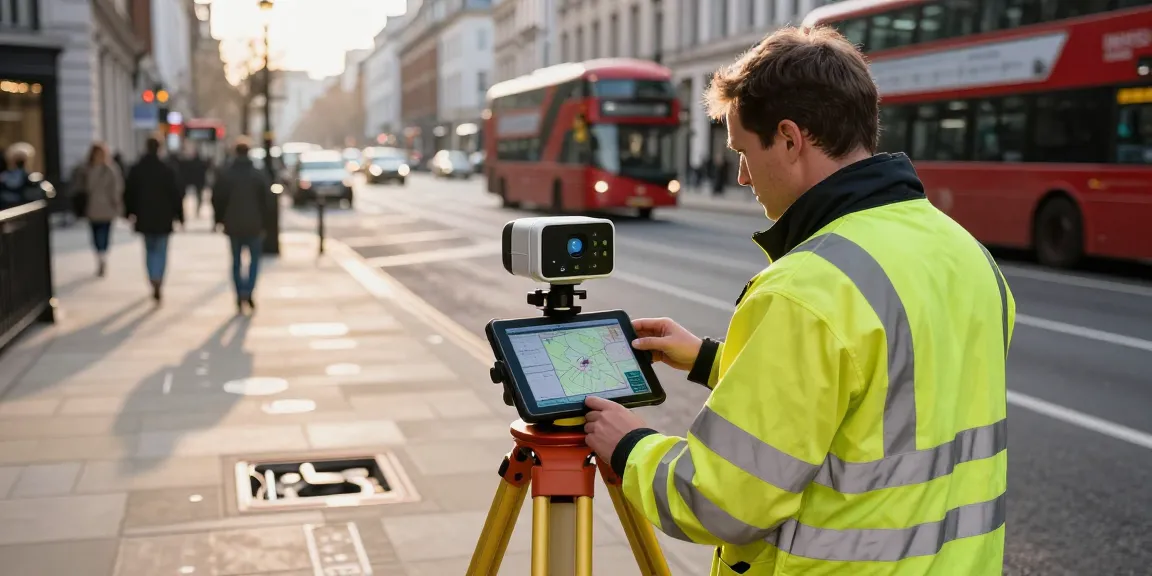
Understanding GPR Utility Surveys in London
Ground Penetrating Radar (GPR) utility surveys are vital tools for efficiently mapping underground infrastructure in urban environments like London. With a growing need for accurate utility mapping due to development pressures and safety regulations, these surveys provide detailed insights into subsurface conditions, facilitating informed decision-making for construction projects. When exploring options, GPR Utility surveys London offers comprehensive insights into the available methodologies and their applications within the industry.
What are GPR Utility Surveys?
GPR utility surveys employ radar pulses to image the subsurface, revealing the presence of utilities such as water mains, gas pipelines, and electrical conduits. This non-invasive method allows surveyors to capture high-resolution images of underground features without disturbing the ground. The technology works by transmitting high-frequency radio waves into the ground. When these waves encounter different materials, they are reflected back to the surface where they are recorded by a receiver. This data is then processed to create a visual representation of the subsurface.
Importance of GPR Utility Surveys for Construction
For construction projects in dense urban areas like London, understanding the landscape below is just as critical as the visible structures above ground. GPR utility surveys play an important role in risk assessment, helping to prevent accidental damage to existing utilities, which could lead to costly delays or safety hazards. Furthermore, identifying the exact location of utilities aids in effective project planning and execution, ensuring compliance with regulations and standards.
Common Applications in London Projects
In London, GPR utility surveys are frequently utilized across various sectors including civil engineering, construction, and public works. They are particularly useful for:
- Infrastructure projects where precise utility mapping is required to mitigate risks.
- Renovating existing buildings to ensure existing utilities are accurately accounted for.
- Excavation planning, particularly in environments with a legacy of complex underground utilities.
Benefits of GPR Utility Surveys
The adoption of GPR utility surveys offers numerous benefits that enhance project efficiency and safety.
Enhanced Project Planning and Safety
By accurately identifying the location and condition of underground utilities, GPR surveys contribute to more efficient project planning. This not only reduces the likelihood of encountering unforeseen obstacles but also enhances safety for workers and the public. Moreover, with dangers such as utility strikes posing significant risks, the proactive approach enabled by GPR surveys is invaluable.
Cost-Effective Solutions for Surveying Needs
While the initial cost of conducting a GPR utility survey can seem significant, it often pays off in the long run. By preventing costly delays and the expenses associated with utility damage during construction, GPR surveys enable project stakeholders to stick to their budgets and timelines more effectively.
Minimising Disruptions in Urban Areas
In bustling cities like London, minimizing disruptions is crucial. GPR utility surveys are non-invasive, allowing for the acquisition of essential data without the need for extensive digging or ground disturbance. This means that projects can progress without disturbing the surrounding environment, reducing the impact on both traffic and local businesses.
Steps to Conduct a Successful GPR Utility Survey
Conducting a successful GPR utility survey involves several key steps to ensure accurate and useful results.
Preparation and Site Assessment
The first step is thorough preparation that includes site assessment and identifying any potential challenges based on the area’s unique characteristics. This may involve reviewing existing utility maps and planning for areas where utility locations are uncertain.
Executing the Survey Process
The execution phase involves deploying the GPR equipment, which is typically done by trained professionals who understand the nuances of the technology. The survey will be conducted methodically, ensuring that data is collected efficiently across the site.
Data Analysis and Reporting
Once data is collected, it must be analysed comprehensively. Surveyors will interpret the GPR results to create a detailed report that outlines the findings and provides recommendations based on the subsurface conditions encountered. This report is crucial for project stakeholders in making informed decisions.
Challenges and Solutions in GPR Utility Surveys
While GPR utility surveys are highly effective, they are not without challenges. Understanding these hurdles is essential for successful outcomes.
Addressing Underground Utility Variability
One of the primary challenges in GPR surveys is the variability of underground utilities. Different materials may reflect radar waves differently, leading to difficulties in accurately identifying utility types and their conditions. Thorough training and expertise in interpreting GPR data can help mitigate some of these challenges.
Technical Limitations and Equipment Choices
GPR technology has its limitations, particularly in certain soil types or conditions. For instance, highly conductive materials, such as clay or saturated soils, can hinder radar penetration. It’s important to select the right equipment for the specific conditions of the site, ensuring the highest chance of successful data acquisition.
Overcoming Regulatory and Compliance Issues
In London, navigating the regulatory landscape can be daunting. Compliance with local laws and consulting with stakeholders, such as utility companies, is essential to ensure that surveys adhere to necessary protocols and avoid any legal complications.
Future Trends for GPR Utility Surveys in London
The landscape of GPR utility surveys is evolving, with several trends emerging that will shape the future of this essential service.
Technological Advancements in Surveying
As technology continues to advance, so will the capabilities of GPR equipment. Innovations in data processing and imaging are expected to enhance the accuracy and efficiency of surveys, allowing for more detailed subsurface mapping and faster analysis times.
Integrating GIS with GPR Data
The integration of Geographic Information Systems (GIS) with GPR data is set to become increasingly prevalent. This combination allows for better visualisation of underground utilities in relation to surface features, enhancing planning and management capabilities for construction projects.
Predictions for Urban Development Needs in 2026
Looking ahead to 2026, it is anticipated that the demand for GPR utility surveys will continue to grow in London. Urban development pressures will necessitate more comprehensive data about existing utilities to facilitate safe and effective construction practices.
Frequently Asked Questions
What is the cost of GPR Utility surveys in London?
The cost of GPR utility surveys can vary significantly based on factors such as site size, complexity, and the number of utilities present. It’s advisable for clients to request quotes from multiple providers to ensure competitive pricing.
How accurate are GPR Utility surveys?
GPR utility surveys can provide highly accurate data; however, the precision of the results can depend on several factors, including soil conditions and the skill of the operator. Generally, clients can expect a high level of accuracy when conducted by experienced professionals.
What types of utilities can GPR surveys detect?
GPR surveys can detect a variety of utilities, including water mains, gas pipelines, sewer lines, and electrical conduits. However, their effectiveness may vary based on the materials and conditions of the subsurface.
Is GPR suitable for all soil types?
GPR is most effective in dry, sandy, or gravelly soils. Its performance can be hindered in highly conductive soils, such as clay or saturated ground, where radar signals may not penetrate as effectively.
How long does a GPR Utility survey take to complete?
The duration of a GPR utility survey can vary based on the size and complexity of the site. Simple surveys may be completed in a matter of hours, while larger or more complicated sites could take several days to fully assess.
