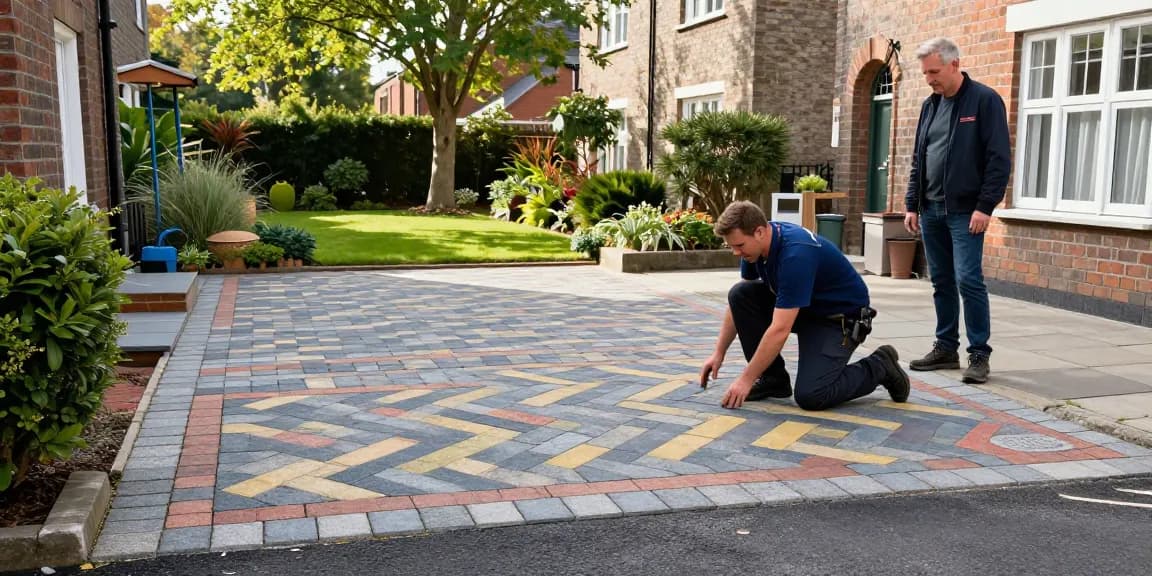
Understanding Block Paving: Benefits and Features
Block paving is a highly recommended choice for driveways, patios, and paths, particularly in regions like Dublin. This durable and versatile surface has become increasingly popular for its aesthetic appeal and practical advantages. When exploring options, Dublin paving specialists can provide comprehensive insights to help homeowners make informed decisions regarding their outdoor spaces. This article will delve into the various aspects of block paving, including its benefits, features, and installation process.
What is Block Paving?
Block paving consists of individual blocks or bricks made from concrete, clay, or natural stone, which are laid in a specific pattern to create a solid surface. This method of surfacing not only enhances the visual appeal of residential and commercial properties but also offers remarkable durability and flexibility for various outdoor applications. Block paving is particularly suitable for driveways, patios, and walkways, providing a functional and attractive solution for property owners.
Advantages of Block Paving for Driveways
- Durability: With a lifespan of 20 to 30 years or more, block paving withstands the rigors of daily use, including vehicular traffic, without showing signs of wear.
- Repairability: One of the standout features of block paving is the ease of repair. Individual blocks can be lifted and replaced without the need to disturb the entire surface, making it a practical option for maintaining the integrity of a driveway.
- Aesthetic Appeal: Available in various colors, textures, and patterns, block paving can be tailored to match the architectural style of any home, enhancing curb appeal.
- Low Maintenance: While regular maintenance is necessary, such as re-sanding and occasional washing, block paving requires less upkeep compared to other surfaces like tarmac or concrete.
Key Features to Look for in Block Paving Materials
When selecting block paving for an installation, it's essential to consider the following features:
- Material Quality: High-quality blocks, such as those made by Kilsaran and Tobermore, offer superior durability and resistance against the elements.
- Surface Finish: The texture of the block can affect slip resistance and visual appeal, so consider smooth, tumbled, or split-face finishes based on your design preferences.
- Permeability: Permeable blocks are increasingly popular, especially in areas where managing surface water is a concern. These blocks allow water to drain through, reducing runoff and helping to prevent flooding.
Installation Process: How Our Dublin Paving Specialists Work
Successful block paving installation relies on a well-defined process that ensures longevity and stability. The expertise of Dublin paving specialists is crucial to executing this process correctly.
Initial Site Assessment and Design Consultation
Before any work begins, a thorough site assessment is conducted. Specialists evaluate the condition of the existing surface, discuss design options, and assess drainage requirements. This stage is vital for identifying potential issues and ensuring the project aligns with local planning regulations.
Steps in the Installation Process
- Excavation: The area is excavated to the appropriate depth, typically between 100mm and 200mm, to accommodate a solid sub-base.
- Sub-base Installation: A MOT Type 1 stone sub-base is laid and compacted properly to provide a stable foundation.
- Edging and Kerbing: Concrete kerbs or block edging are installed to define the boundary of the driveway and prevent shifting of the blocks.
- Block Laying: Blocks are laid on a sand bed in the chosen pattern, such as herringbone, which is popular for its stability.
- Jointing and Compaction: Kiln-dried sand is brushed into the joints and compacted to lock the blocks in place, enhancing durability.
- Final Touches: The site is cleaned, and clients are briefed on maintenance and care before the project is officially completed.
Common Mistakes to Avoid During Installation
Errors in installation can lead to significant problems down the line. Common mistakes to avoid include:
- Insufficient Excavation: Not digging deep enough for the sub-base can cause settling and uneven surfaces.
- Poor Drainage Planning: Failing to account for drainage can lead to water pooling and damage.
- Improper Jointing: Skipping the jointing sand can result in weed growth and structural instability.
Maintenance and Care for Block Paved Surfaces
While block paving is low maintenance, proper care is essential for maintaining its appearance and longevity. Here are some maintenance tips to consider.
Routine Maintenance Tips for Longevity
- Re-sanding the Joints: Every couple of years, apply kiln-dried sand to the joints to prevent weed growth and stabilize the blocks.
- Regular Cleaning: An occasional wash with a pressure washer or appropriate cleaning solution will keep the surface looking pristine.
- Sealing: Although optional, sealing the blocks can protect against oil stains and enhance color, providing an additional layer of durability.
Managing Weeds and Moss Growth
Weeds and moss can be problematic, particularly in damp climates like Ireland’s. Early intervention by treating weeds with appropriate herbicides or manually removing them can help maintain the integrity of the joints.
When to Consider Re-sealing Your Paving
Re-sealing is recommended every few years. Signs that your block paving may need sealing include fading color, visible stains, or an increase in joint weed growth. Treating these issues promptly can significantly extend the life of your driveway.
Cost Factors of Block Paving Services in Dublin
Understanding the cost of block paving requires an analysis of several factors that influence the overall pricing. Here’s what to consider when budgeting for your project.
Breaking Down the Costs of Materials and Labor
The total cost of block paving typically consists of three main components: the cost of materials, labor, and additional services.
- Materials: Depending on the type of blocks selected, costs can vary significantly. High-quality materials like those from Kilsaran and Tobermore may be more expensive but offer better durability and aesthetics.
- Labor: Skilled labor is essential for proper installation, and labor costs can vary based on the complexity of the design and local rates.
- Additional Services: Services such as excavation or drainage installation can also impact overall costs. Always request an all-inclusive quote to avoid unexpected expenses.
Factors Influencing Installation Pricing
Several factors can affect the pricing of your block paving installation, including:
- Size of the Area: Larger areas will require more materials and labor, affecting the overall cost.
- Access and Site Conditions: Difficult access or complicated site conditions may increase labor costs due to the need for additional equipment or time.
- Design Complexity: Intricate designs with varied patterns or colors will typically cost more due to the additional labor involved.
What to Expect in Your Quotation
Requesting a written quote is crucial for transparency. A comprehensive quotation should include:
- Details of materials used
- Labor costs
- Excavation and sub-base specifications
- Jointing and sealing options
- Waste removal and VAT
Always ensure there are no hidden extras in your quotation to avoid surprises during the project.
Frequently Asked Questions About Block Paving
As interest in block paving continues to grow, many homeowners have common queries. Here are answers to some frequently asked questions.
How long does block paving last?
With proper installation and maintenance, block paving can last between 20 to 30 years or even longer, making it a cost-effective solution for driveways.
Do I need planning permission for block paving?
In most cases, planning permission is not required for residential driveways, provided surface water does not drain onto public roads. Specialists can help ensure compliance with local regulations during the design phase.
Can I install block paving myself?
While DIY installation is possible, it requires a good understanding of the preparation and installation process. Hiring professionals ensures quality workmanship and compliance with local standards.